The importance of accurate grassland soil sampling can’t be underestimated, as making homegrown forage as productive and nutritious as ever can reduce the need to buy external licks and supplements.
Grassland’s nutrient requirements should pivot on a valid broad-spectrum soil analysis, allowing farmers to strategically plan inputs to avoid any single nutrient being the limiting factor to yield and quality.
And it’s not just the macro nutrient levels we’re looking to assess, as the role played by micronutrients in soil nutrient synergy should be underestimated at your own peril. Remember, when it comes to soil nutrition, the interaction of macro and micronutrients working together is greater than just the macros on their own.
This is why a broad-spectrum soil analysis, compared to a basic version, will allow a greater understanding of where deficiencies lie. Testing can be carried out at any time of year, but spring is an ideal point to highlight any deficiencies that have developed over the winter and allow time to correct them.
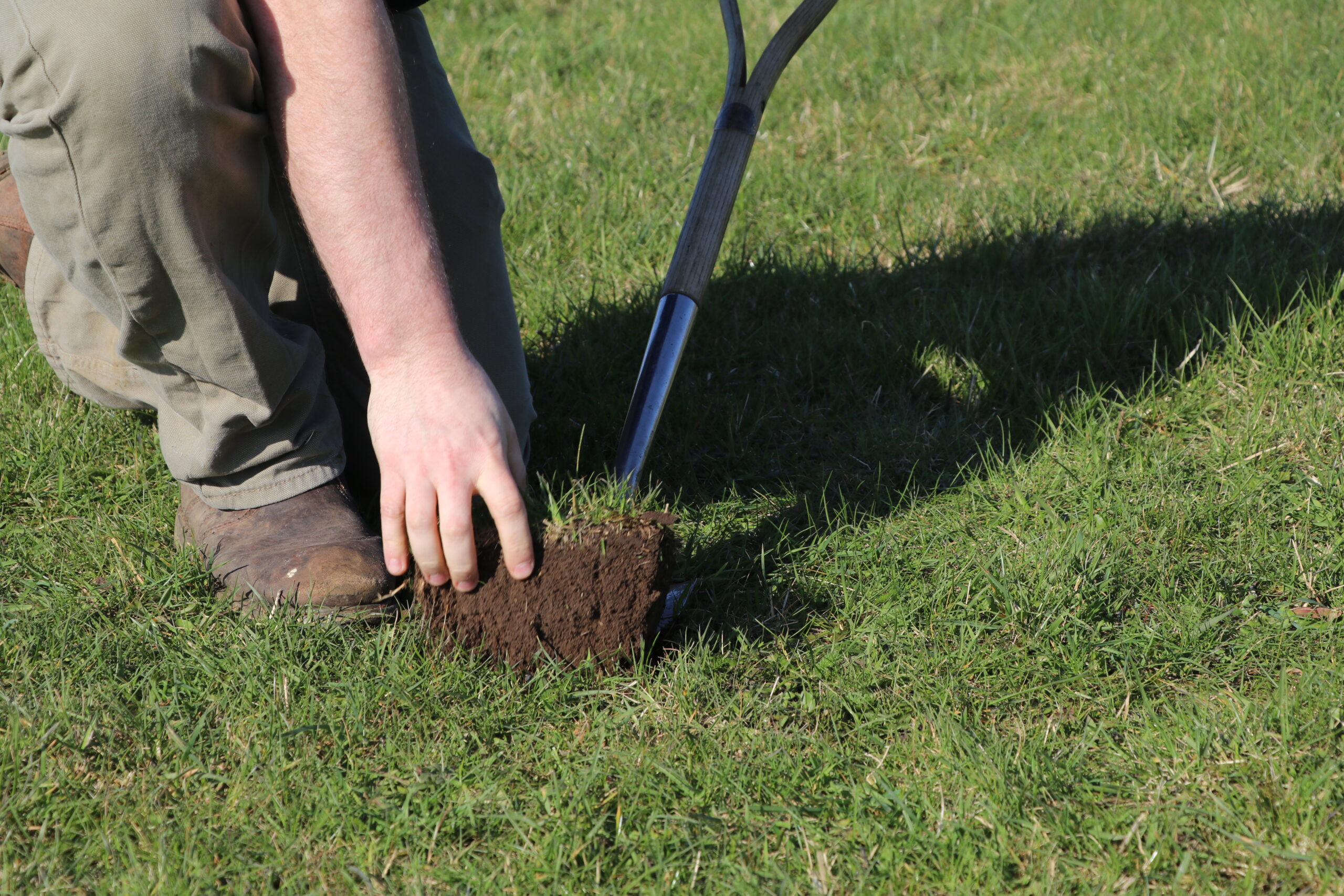
Soil sampling is carried out by walking a W pattern across a field to capture a cross section of soil cores. At regular points, a soil core is taken and added to a bucket, with best practice aiming for at least 25 samples across a 4ha field, avoiding headlands if possible. Cores should be 7.5cm deep and, once complete, the soil is mixed to form a representative sample and sent away for analysis.
Samples should be collected at least every 3-5 years. It looks simple but the data gained from it can be analysed by a FACTS qualified agronomist and lead to detailed discussions about the right nutrient strategy.
A broad-spectrum soil analysis carried out on three fields of Clive Breeze’s dairy farm in Wales showed magnesium and calcium deficiencies in his soil, despite his herd never suffering from milk fever. Following discussions with his FACTS advisor, a prescription grade Sweetgrass fertiliser was applied to the fields tested to assess the benefits.
The results indicated the grass responded better to the dry summer conditions and maintained growth throughout. Milk yields from the silage ground increased by 15% compared to usual, while grazing ground daily yields increased by 8%.
With no other changes made, this highlights how using broad-spectrum soil data to inform nutritional input decisions can lead to improved yield and quality. Read more about Clive’s system and how the changes have proved beneficial to his cows.
Speak to your FACTS qualified nutrition agronomist to get your soils tested and start benefiting from the data.
Want to know more about improving grass nutrition? Get in touch with your local Origin Nutrition Agronomist: Meet the Team – Origin
Contact your Origin Soil Nutrition merchant or us directly by completing the form.